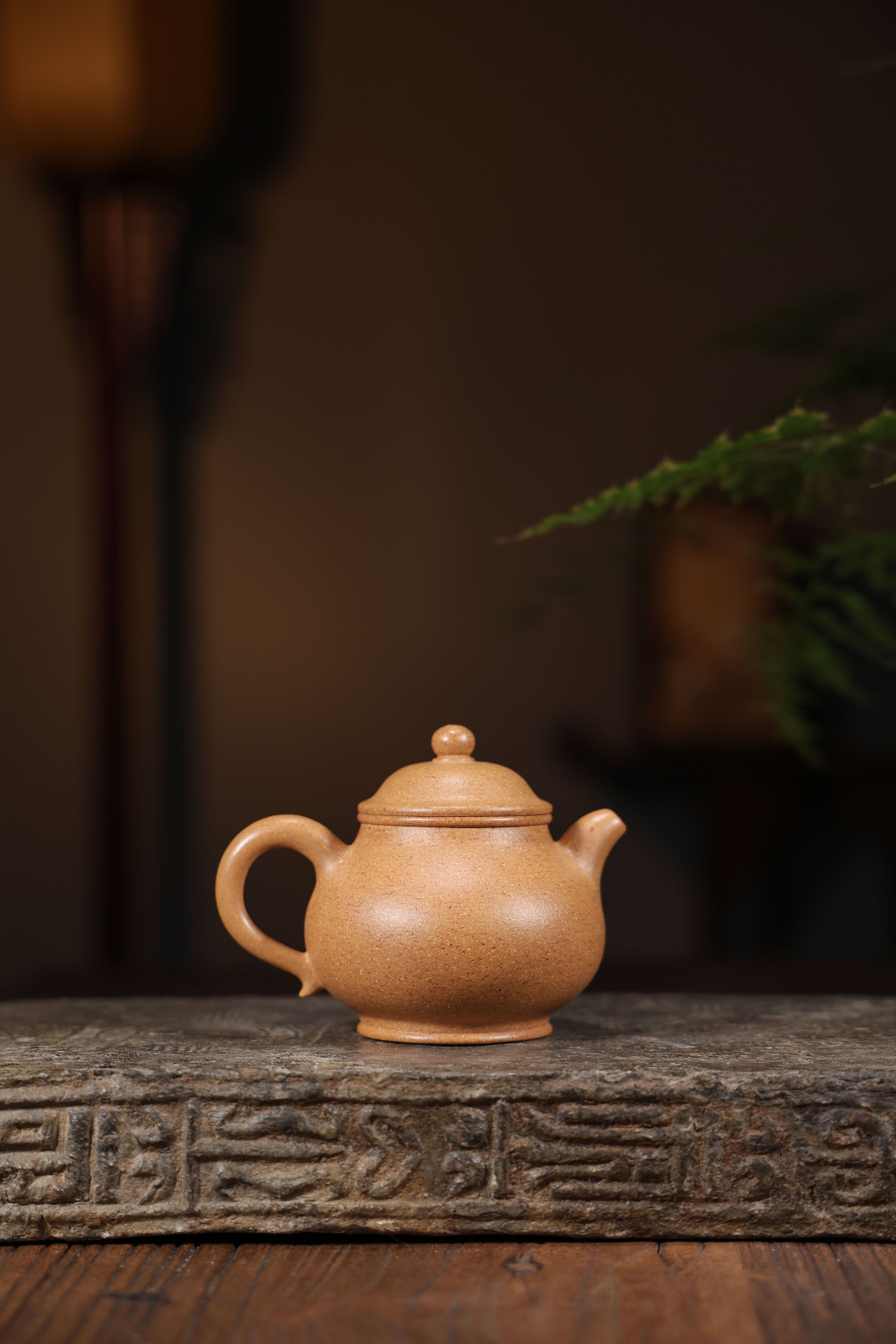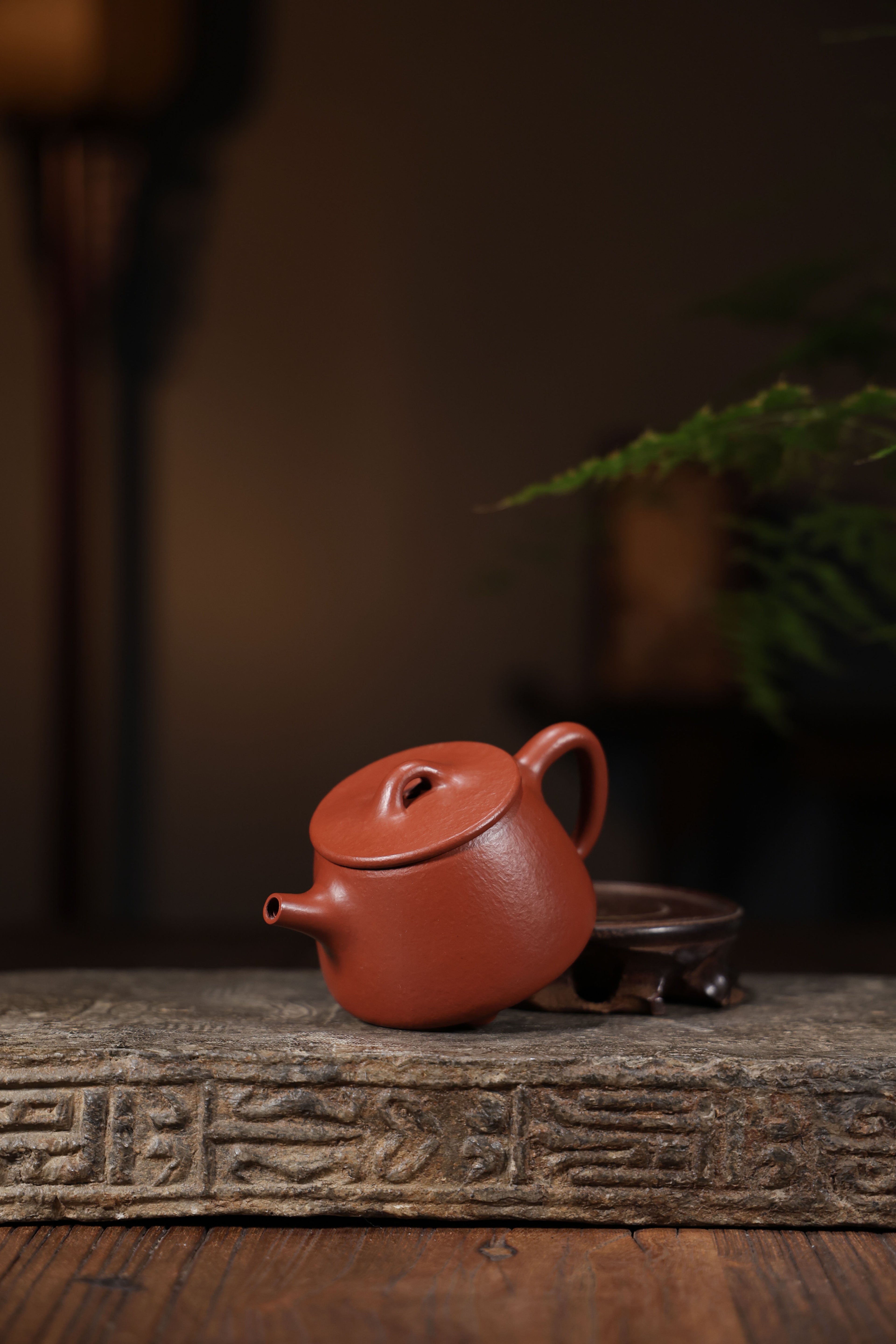
Epochs of devotees have favored the unique appeal of Yixing Zisha vessels. Originating in the small town of Yixing, the republic, these teapots are produced from a uncommon and collected purple clay distinguished for its unmatched thermal characteristics and aptitude to boost the taste of tea. Besides their utilitarian importance, Zisha teapots embody a profound legacy foundation, turning them extremely prized and a veritable masterpiece for any passionate teapot enthusiast.
Uncovering Yixing Ware
Such teapots highlight a singular mixture of history and artisan craftsmanship. Founded in Yixing, Jiangsu District of China, their narrative traces to the Ming Dynasty, although clues suggest earlier versions. The singular wine-colored clay, called Zisha, found uniquely in the Yixing region, is the crucial component, contributing to the pots' superior heat keeping and the manner they enhance the aroma of tea. Sequences of potters have mastered techniques—often handed over through families—including shaping the clay, applying sophisticated embellishments, and firing the pots at regulated temperatures.- Traditionally, Yixing teapots were often beautified with simple designs.
- Eventually, more ornate carvings and representative motifs became trendy.
- The heat application itself is a crucial element, requiring extended spans of knowledge.
Obtaining Zisha Teapots: Fundamental Points
Commencing a journey to accumulate Zisha teapots can be enjoyable, but it’s essential to comprehend what to analyze. Authenticity is vital; focus on the soil’s natural tone, a muted reddish-brown is typical. Examine the grain; genuine Zisha has a exclusive tactile sensation, often portrayed as slightly coarse. The morphology should be aesthetically sound and consistent with time-honored styles, while seals, if present, require thorough examination for legitimacy. Don’t avoid to consult with savvy dealers or recognized experiences – their insight is priceless.
Ancient Kettles: Exploring the Heritage of this Yixing Clay
Eons have seen Yixing Rare Clay teapots hold a significant role in Chinese heritage. These meticulously formed pots, sourced exclusively from the Purple Clay Teapot locale of Yixing, are famous for their unique tone, surface, and their ability to develop the bouquet of decoctions. Scores of collectors collect antique Yixing teapots, coveting them highly not only for their aesthetic charm, but also for the history they symbolize.
Yixing Zisha Teapots: Such Leading Categories and Their Qualities
Yixing Pottery teapots, established in the authentic territory of Yixing, the Chinese territory, are noted for their special clay and superb brewing qualities. Among the countless Zisha types, notable classes that are highly admired include Huiwan. Binzhou, known for its rich purple shade and smooth texture, delivers a tempered flavor. Duan Ni category, recognizable by its mahogany color and moderately grainy feel, is considered to enhance tea’s body. Lastly, Zhuni form boasts an unique ruby tone and can lend a nice nuance. Each category grants a unique experience, making them distinctly desirable within drink enthusiasts.
Brewing Perfection Specific Earthenware Vessel
To unlock the capability of your Yixing pot, understanding the correct modus operandi is critical. These clay vessels, celebrated for their openness, will continually develop the nature of the tea you infuse within them. Begin by washing the urn thoroughly with heated water. Then, use only high-quality fresh leaf tea, as lower quality options can harm the vessel’s delicate flavor profile. Always enable the leaves to open completely, and remember that with each application, your Yixing pot will become perpetually distinct.
Protecting Your Rare Zisha Artifact
Proper upkeep for your Zisha kettle is crucial to maintaining its durability and worth. Zisha clay, praised for its unique tone and makeup, requires delicate handling. Never use stringent detergents, as these can ruin the surface. After every brewing, rinse the urn with tepid water and allow it to dehumidify completely.
- Refrain from soaking the container for extended sessions.
- From time to time use a soft wiping cloth to polish the exterior.
- Deliberate applying a thin layer of food-grade mineral oil inside the vessel after drying, which can avoid staining.
Essentials of Yixing Pitchers
Yixing clay pots, originating from the Yixing territory in Jiangsu Province, China, are celebrated for their distinctive attributes. Constructed from the unique purple compound known as Zisha, these vessels are prized by infusion enthusiasts worldwide. This primer will plainly explain the fundamentals – covering classes of Zisha ground, prevailing shapes, and essential care guidance. Understanding the tradition of Yixing pitchers can heighten your appreciation for this traditional example of Eastern custom.
Technique of Eastern Pots: Focusing on Zisha made in the Yixing district
Zisha substance from the Yixing territory represents the pinnacle of Yuan pot design, possessing a singular amalgamation of unprocessed beauty and effective artistry. These famous pieces are esteemed for their dynamic tints, often encompassing profound purples and rust hues to subtle greys and muted beiges. The salient mineral composition of the local Zisha clay imparts a noteworthy texture and produces a gratifying aroma that richens the comprehensive concoction experience, enabling them significantly cherished collectibles and indispensable components of any serious ritual.